The Maths Behind the Reels: Nine Win's Most Generous Slots, Sorted by RTP

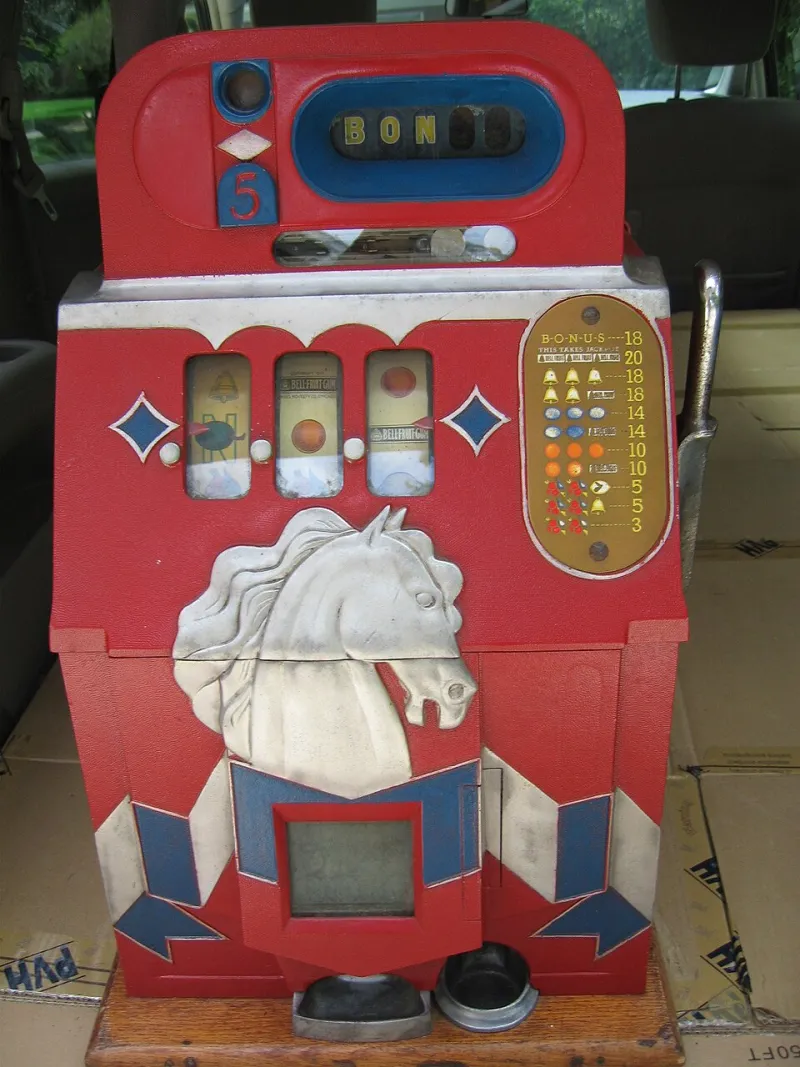
Photo: TaurusEmerald, CC BY-SA 4.0, via Wikimedia Commons
RTP is one of those terms that gets banded about on every casino site going, usually in the small print nobody bothers with. But if you're the sort of player who likes to make your bankroll stretch through a Friday night, it's worth understanding — because the gap between a 96.5% slot and a 93% one is genuinely noticeable over a session.
So we went through Nine Win's slots lobby, pulled the RTP figures from the game info screens, and sorted the generous from the stingy. Here's what we found.
What RTP Actually Means (Without the Jargon)
Return to player is the theoretical percentage of all wagered money a slot pays back over the long run. A 96% RTP means that, across millions of spins, £96 of every £100 staked comes back to players. The remaining £4 is the house edge.
Two important caveats. First, this is a long-run average — your individual session can swing wildly either way. Second, it doesn't mean you get £96 back from a £100 deposit. You could win big on spin three or see your tenner vanish in ten minutes. RTP describes the shape of the game, not your evening.
The Generous End of the Lobby
Several of Nine Win's most popular titles sit at or above the 96% mark, which is broadly the industry standard for a well-paying slot:
- Book of Dead-style adventure slots — typically around 96.2%, with high volatility meaning dry spells punctuated by decent hits
- Classic fruit machines with modern twists — often nudging 96.5%, particularly the lower-volatility options
- A handful of jackpot-adjacent titles — surprisingly, a few of these hold up at 96%+ before the progressive contribution
The takeaway: if you're playing for time at the reels rather than a lottery-ticket thrill, these are where your money lasts longest.
The Stingy Corner
Not everything in the lobby is created equal. We spotted several titles sitting in the 93–94% range — usually newer releases with heavy bonus features or branded games where the licence fee gets carved out of the RTP somewhere.
A 2–3% difference sounds trivial. Over a long session at £1 a spin, you're effectively paying an extra £2–£3 per hundred spins for the privilege. That adds up, especially if you're a regular.
Volatility Matters Just as Much
Here's the bit most round-ups skip: RTP alone doesn't tell you how a game will feel. A 96% high-volatility slot and a 96% low-volatility slot return the same money overall, but in completely different patterns.
- Low volatility: frequent small wins, gentle bankroll curve, ideal for a lazy Sunday session
- High volatility: long droughts, occasional bigger hits, better suited to players who can stomach variance
Match the volatility to your mood and budget, then use RTP as the tiebreaker between otherwise similar games.
How to Check RTP Yourself at Nine Win
It's refreshingly straightforward. Open any slot, tap the info or paytable icon, and scroll — most developers list the RTP right there. If a game doesn't display it, that's usually a reason to be mildly suspicious and play something else.
One more note: some games have variable RTP settings, where operators can choose between configurations. Nine Win's versions of the big-name slots we checked were running at the standard published figures, which is reassuring.
Our Verdict
The slots lobby at Nine Win is a mixed bag on the maths front — genuinely competitive at the top end, with a few titles we'd give a miss if you're counting pennies. Stick to the 96%+ club, respect the volatility, and treat RTP as your quiet advantage rather than a guarantee. The house edge never quite disappears, but on the right games, it thins out enough to make your session last.